
Meta Title
Apartments for Rent in NYC | Complete Apartment Rental Guide
.jpeg&w=3840&q=75)
Essential Guide Takeaways
- Security deposit
- Utilities
- Internet service
- Parking (if applicable)
- Renter's insurance
Apartments for Rent in NYC: The Complete Renter's Guide

A young professional or family touring a modern apartment with a real estate agent in New York City.
Introduction

Finding the right apartment in New York City can feel overwhelming, especially with so many neighborhoods, property types, and rental options to choose from. Whether you're moving to NYC for work, school, or a fresh start, having a clear plan can make the apartment search much easier.
Before signing a lease, it's important to understand your budget, preferred location, commuting needs, and the documents landlords typically require. Being prepared not only saves time but also improves your chances of securing the apartment you want.
This guide walks you through every stage of renting an apartment in NYC—from setting your budget and searching for listings to signing the lease and moving into your new home.
Step 1: Determine Your Rental Budget
Before searching for an apartment, decide how much you can comfortably spend on rent each month. Remember that rent is only one part of your housing expenses.
In addition to monthly rent, you may need to budget for:
A realistic budget helps narrow your search and prevents you from spending time on apartments outside your price range.
- •Security deposit
- •Utilities
- •Internet service
- •Parking (if applicable)
- •Renter's insurance
- •Moving expenses
💡 Renter Tip

Don't forget to include recurring monthly expenses when calculating what you can comfortably afford.
Step 2: Choose the Right Neighborhood
.jpeg&w=3840&q=75)
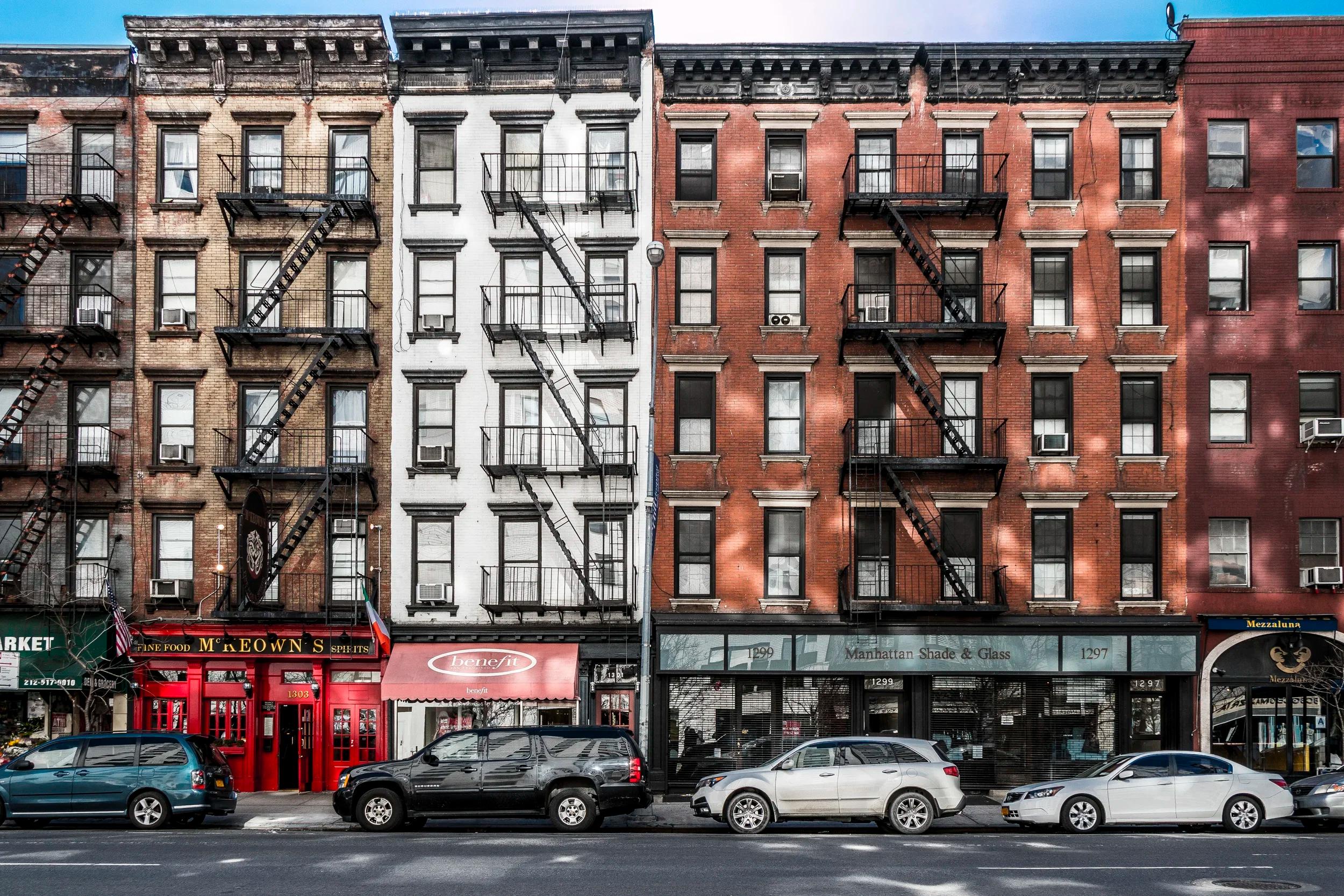
New York City offers a wide variety of neighborhoods, each with its own character, amenities, and price range. Choosing the right location is just as important as choosing the apartment itself.
When comparing neighborhoods, think about:
Some renters prioritize being close to subway lines, while others value quieter residential streets or access to parks and local businesses. Understanding your daily routine can help you choose a neighborhood that fits your lifestyle.
Research average rental prices in the areas you're considering so you can balance location with affordability.
- •Commute to work or school
- •Public transportation
- •Grocery stores
- •Restaurants and cafés
- •Parks and recreation
- •Safety
- •Schools (if applicable)
- •Lifestyle preferences
📋 Neighborhood Checklist
.jpeg&w=3840&q=75)
Before choosing a neighborhood, ask yourself:
- •Is it within my budget?
- •How long is the commute?
- •Is public transportation nearby?
- •Are grocery stores and pharmacies convenient?
- •Does the neighborhood fit my lifestyle?
- •Are parks or recreation areas nearby?
Step 3: Search for Apartments Effectively
Once you've determined your budget and chosen your preferred neighborhoods, it's time to begin your apartment search. Having a clear strategy can help you find suitable properties more efficiently and avoid wasting time on listings that don't meet your needs.
Start by creating a list of your priorities. Consider the number of bedrooms, bathrooms, square footage, pet policies, parking availability, laundry facilities, and any other features that are important to your lifestyle.
When reviewing apartment listings, pay attention to the details provided in the description and photographs. Verify information such as rent, lease terms, included utilities, and building amenities. If something isn't clear, contact the property manager or real estate agent before scheduling a viewing.
New listings can receive significant interest, especially in popular NYC neighborhoods. Acting quickly and staying organized can improve your chances of securing your preferred apartment.
📋 Apartment Search Checklist
Before scheduling a viewing, check:
- •Monthly rent
- •Apartment size
- •Number of bedrooms and bathrooms
- •Lease duration
- •Pet policy
- •Parking availability
- •Building amenities
- •Public transportation access
💡 Renter Tip
Create a shortlist of your favorite apartments and compare them side by side before making a decision.
Step 4: Prepare Your Rental Documents
The NYC rental market moves quickly, and desirable apartments may receive multiple applications within a short period. Having your paperwork ready in advance can help you submit an application without unnecessary delays.
While document requirements vary by landlord, most renters should prepare the following:
Keeping digital copies of these documents can make the application process faster and more convenient.
If you're renting with roommates, ensure that each applicant has the necessary documentation ready before applying.
- •Government-issued photo ID
- •Recent pay stubs or proof of income
- •Employment verification letter
- •Bank statements
- •Previous landlord references
- •Credit information (if requested)
📄 Rental Application Checklist
Prepare these documents before applying:
- •Valid photo ID
- •Proof of income
- •Employment letter
- •Recent bank statements
- •Previous landlord reference
- •Contact information
- •Emergency contact details
💡 Renter Tip
Submitting a complete application can improve your chances of securing an apartment before other applicants.
Step 5: Visit Apartments and Ask the Right Questions
Photos can provide a good first impression, but visiting an apartment in person gives you the opportunity to evaluate its true condition and determine whether it meets your expectations.
During the viewing, inspect each room carefully. Look for signs of water damage, mold, poor ventilation, damaged flooring, or maintenance issues. Test faucets, light switches, windows, heating, and air conditioning if available.
Take time to explore the building and surrounding neighborhood. Consider noise levels, parking availability, nearby grocery stores, public transportation, and overall convenience.
Don't hesitate to ask questions during the visit. Some helpful questions include:
The more information you gather during the viewing, the more confident you'll feel when making your final decision.
- •Are utilities included in the rent?
- •How long is the lease?
- •Is renter's insurance required?
- •Are pets allowed?
- •What maintenance services are available?
- •Are there any additional monthly fees?
✅ Apartment Viewing Checklist
Before leaving the apartment, confirm:
- •Overall cleanliness
- •Condition of walls and flooring
- •Water pressure
- •Heating and cooling systems
- •Internet availability
- •Natural lighting
- •Security features
- •Building maintenance
Step 6: Review the Lease Agreement Carefully
Before signing any lease, take time to read every section of the agreement. A lease is a legally binding contract that outlines your rights and responsibilities as a tenant, as well as the landlord's obligations.
Pay close attention to important details such as the lease term, monthly rent, security deposit, payment due dates, renewal options, maintenance responsibilities, and any restrictions regarding pets, guests, or modifications to the apartment.
If there are any terms you don't understand, ask questions before signing. Clarifying details in advance can help prevent misunderstandings later and ensure you're comfortable with the agreement.
Keep a signed copy of the lease and any additional documents for your records. Having easy access to these documents can be helpful if questions arise during your tenancy.
📋 Lease Agreement Checklist
Before signing your lease, confirm:
- •Lease start and end dates
- •Monthly rent amount
- •Security deposit details
- •Utility responsibilities
- •Maintenance and repair policies
- •Pet policies
- •Guest policies
- •Renewal or termination terms
💡 Renter Tip
Never sign a lease without reading it thoroughly. Understanding your responsibilities now can save you from unexpected issues later.
Step 7: Move Into Your New Apartment
Congratulations! Once your lease has been signed, it's time to prepare for moving day.
Create a moving checklist to stay organized. Arrange transportation for your belongings, update your address with banks and government agencies, transfer or set up utilities, and schedule internet installation if necessary.
Before unpacking, inspect the apartment carefully and document its condition with photos or videos. Report any existing damage to the landlord immediately so you won't be held responsible when you move out.
Take time to familiarize yourself with the building's rules, emergency exits, parking regulations, mail procedures, and waste disposal guidelines. Getting settled early will make the transition much smoother.
✅ Moving Day Checklist
Before settling in:
- •Confirm utilities are active
- •Inspect the apartment
- •Take photos of existing damage
- •Test appliances and plumbing
- •Update your mailing address
- •Set up internet service
- •Locate emergency exits
- •Introduce yourself to building management if applicable
Common Apartment Renting Mistakes to Avoid
Renting an apartment is exciting, but avoiding these common mistakes can save you time, money, and stress.
Choosing Based Only on Price
An affordable apartment may seem attractive, but location, transportation, safety, and building condition are equally important.
Skipping the Apartment Inspection
Always inspect the apartment before signing the lease. Identifying maintenance issues early helps avoid future disputes.
Not Reading the Lease
Every renter should understand the lease terms, payment schedule, and responsibilities before signing.
Ignoring Additional Costs
Monthly expenses may include utilities, internet, parking, renter's insurance, or building fees. Include these in your budget.
Waiting Too Long to Apply
Popular apartments in NYC can rent quickly. If you've found a property that meets your needs, submitting your application promptly may improve your chances.
Frequently Asked Questions
How much money should I budget before renting an apartment in NYC?
In addition to monthly rent, budget for the security deposit, utilities, internet, moving expenses, and renter's insurance. The total amount depends on the apartment and lease terms.
What documents do landlords usually require?
Most landlords request a government-issued ID, proof of income, employment verification, and previous landlord references. Requirements may vary by property.
Should I get renter's insurance?
Many tenants choose renter's insurance because it can help protect personal belongings from covered events. Some landlords may also require it as part of the lease.
Can I negotiate the rent?
In some situations, landlords may be open to negotiating rent or lease terms, particularly if the apartment has been on the market for an extended period. However, flexibility varies by property and market conditions.
How long is a typical apartment lease?
Many residential leases are for 12 months, although shorter or longer lease terms may be available depending on the property and landlord.
Ready to Find Property in New York?
Browse the latest listings, explore top neighborhoods, and connect with experienced real estate professionals to guide you.