
How to Buy a House in New York: A Step-by-Step Guide (2026)
Buying a house in New York is an exciting milestone, but it can also feel overwhelming if you're unsure where to begin. From understanding your budget to finding the right property and completing the closing process, every step requires careful planning and informed decision-making.
Essential Guide Takeaways
- How to Buy a House in New York
- Buy Property in New York
- Homes for Sale in New York
- New York Real Estate Listings
- Mortgage Pre-Approval
How to Buy a House in New York: A Step-by-Step Guide (2026)
How to Buy a House in New York: Step-by-Step Guide (2026)
Learn how to buy a house in New York with this step-by-step guide. Understand budgeting, mortgage pre-approval, home search, inspections, and closing before purchasing your next home.
- •How to Buy a House in New York
- •Buy Property in New York
- •Homes for Sale in New York
- •New York Real Estate Listings
- •Mortgage Pre-Approval
- •First-Time Home Buyer
- •New York Real Estate
How to Buy a House in New York

- •Young couple standing in front of a New York townhouse with a real estate agent.
Introduction

Buying a house in New York is an exciting milestone, but it can also feel overwhelming if you're unsure where to begin. From understanding your budget to finding the right property and completing the closing process, every step requires careful planning and informed decision-making.
Whether you're purchasing your first home or upgrading to a larger property, understanding the buying process will help you avoid common mistakes and make confident choices. This guide walks you through each stage of buying a house in New York, so you'll know exactly what to expect before making one of the biggest investments of your life.
Before you begin your search, browse our homes for sale in New York to explore available properties that match your budget and lifestyle.
Step 1: Determine Your Budget

Before you start scheduling property viewings, it's important to understand how much you can comfortably afford. A realistic budget helps narrow your search and prevents you from wasting time on homes outside your price range.
Take time to review your monthly income, existing debts, savings, and living expenses. Remember that the purchase price is only one part of the overall cost. You'll also need to account for property taxes, homeowners insurance, maintenance, utilities, and closing costs.
Creating a financial plan before searching for a home allows you to focus on properties that fit your long-term goals rather than making emotional decisions during the buying process.
💡 Pro Tip

Keep an emergency fund after purchasing your home. Unexpected repairs and maintenance costs are part of homeownership, and having financial reserves can help you avoid unnecessary stress.
Step 2: Get Mortgage Pre-Approval

Obtaining mortgage pre-approval is one of the most important steps before shopping for a home. During this process, a lender reviews your financial information and estimates how much you may qualify to borrow.
A pre-approval letter gives you a clear understanding of your budget and demonstrates to sellers that you're a serious buyer. In competitive real estate markets, this can strengthen your offer and improve your chances of securing the property you want.
Before applying, gather essential documents such as proof of income, bank statements, tax returns, employment information, and identification. Having these ready can make the approval process faster and smoother.
Step 3: Search for the Right Home

Once you've determined your budget and received mortgage pre-approval, it's time for the exciting part—finding the right home. While it's easy to be drawn to beautiful photos online, it's important to focus on properties that match your needs, lifestyle, and long-term goals.
Start by creating a checklist of your priorities. Consider factors such as the number of bedrooms and bathrooms, parking availability, outdoor space, proximity to schools, public transportation, shopping centers, and your daily commute. Having a clear list of must-haves and nice-to-haves will help you narrow your options and make the search process more efficient.
As you explore New York real estate listings, compare more than just the asking price. Review the property's condition, recent renovations, neighborhood amenities, property taxes, and estimated monthly ownership costs. High-quality photos and virtual tours are helpful, but they should never replace an in-person visit whenever possible.
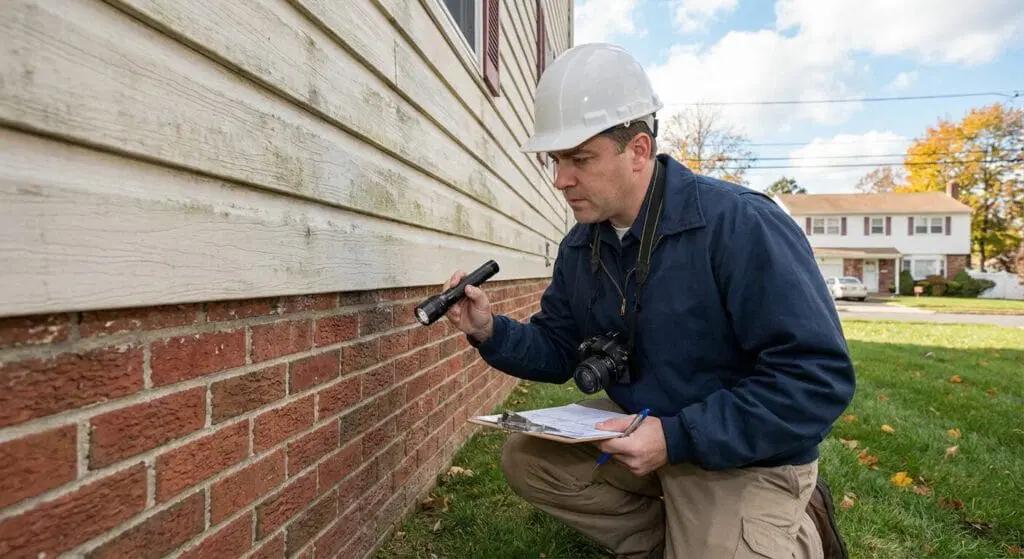
When viewing a home, pay attention to details that may not be obvious in listing photos. Check for signs of water damage, cracks in walls or ceilings, the condition of windows and doors, storage space, natural lighting, and the overall maintenance of the property. Taking notes during each viewing will make it easier to compare homes later.
Finding the right home takes patience. Avoid rushing into a purchase simply because you feel pressured by the market. The right property should meet both your current lifestyle and your future plans.
Step 4: Work With an Experienced Real Estate Agent
Buying a home is one of the largest financial decisions you'll make, and working with an experienced real estate agent can make the process much smoother. A knowledgeable agent helps you find suitable properties, arrange viewings, negotiate offers, explain contracts, and guide you through every stage of the transaction.
Choose an agent who has experience in the neighborhoods where you're planning to buy. Local expertise can provide valuable insights into property values, market trends, school districts, transportation, and upcoming developments that could affect your investment.
Communication is equally important. Your agent should be responsive, transparent, and willing to answer your questions. A good real estate professional will explain every step clearly, helping you feel confident throughout the buying journey.
An experienced agent can also help you avoid common mistakes, identify potential issues before making an offer, and negotiate terms that work in your favor. While online property searches are helpful, professional guidance often makes the difference between a stressful experience and a successful purchase.
💡 Pro Tip
Interview more than one agent before making your decision. Ask about their experience, recent sales, knowledge of your preferred neighborhoods, and communication style.
Step 5: Make a Competitive Offer
Once you've found the right home, the next step is making an offer. Your offer should be based on more than the asking price. Consider recent sales of similar properties, current market conditions, the home's condition, and advice from your real estate agent.
In a competitive market, homes may receive multiple offers within a short period. Having your mortgage pre-approval ready, responding quickly, and being flexible with closing dates can strengthen your offer. However, it's important not to exceed the budget you've carefully planned.
Your purchase offer may also include contingencies, such as financing approval or a satisfactory home inspection. These conditions help protect your interests while the transaction moves forward.
Negotiations are a normal part of buying a home. The seller may accept your offer, reject it, or submit a counteroffer. Stay patient, work closely with your agent, and focus on reaching an agreement that fits your financial goals.
📋 Quick Checklist Before Submitting an Offer
- •✔️ Mortgage pre-approval completed
- •✔️ Budget confirmed
- •✔️ Neighborhood researched
- •✔️ Property inspected visually
- •✔️ Comparable home prices reviewed
- •✔️ Offer reviewed with your real estate agent
Step 6: Schedule a Home Inspection and Appraisal
After your offer has been accepted, it's time to verify that the property is worth the investment. This stage typically includes two important steps: a home inspection and a home appraisal.
A home inspection is conducted by a licensed inspector who evaluates the overall condition of the property. They examine the roof, foundation, plumbing, electrical systems, HVAC, windows, insulation, and other structural components. The goal is to identify any existing or potential issues before the purchase is finalized.
If the inspection reveals problems, don't panic. Depending on the purchase agreement, you may be able to negotiate repairs, request a price reduction, or ask the seller for credits to cover future repairs.
A home appraisal, on the other hand, is ordered by your mortgage lender. The appraiser determines the property's fair market value based on its condition, location, size, and comparable recent sales. This protects both you and the lender from paying more than the property's estimated value.
Completing these steps helps reduce risk and gives you greater confidence before moving forward with one of the biggest financial decisions of your life.
Step 7: Close on Your New Home
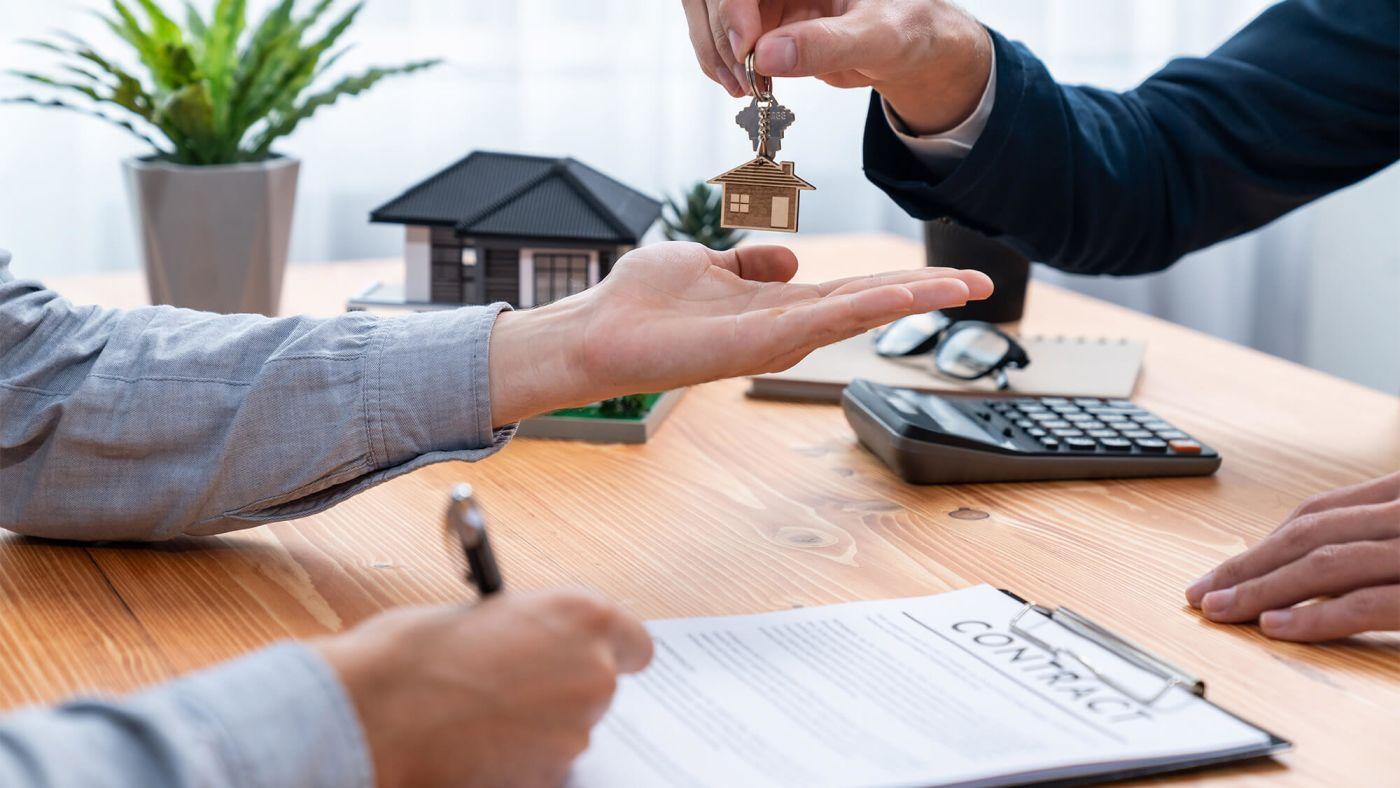
Closing is the final stage of the home-buying process. During this appointment, you'll review legal documents, complete the remaining financial transactions, and officially become the owner of your new home.
Before closing day, carefully review your Closing Disclosure to understand your loan terms, monthly payment, closing costs, and any remaining fees. If something doesn't look right, ask your lender or real estate agent for clarification before signing.
On closing day, you'll sign several legal documents, transfer the required funds, and receive ownership of the property. Depending on your transaction, you'll receive the keys immediately or shortly afterward.
Although the paperwork may seem overwhelming, your real estate agent, lender, and attorney (if applicable) will guide you through each document.
Once everything is complete, congratulations—you officially own your new home in New York.
✅ Closing Checklist
Before closing, make sure you have:
- •Government-issued ID
- •Proof of homeowners insurance
- •Certified funds or wire transfer (if required)
- •Closing Disclosure reviewed
- •Final walkthrough completed
- •Questions prepared for your lender or attorney
Common Mistakes to Avoid When Buying a House in New York
Even well-prepared buyers can make mistakes during the home-buying process. Being aware of these common pitfalls can save you time, money, and frustration.
❌ Searching Before Setting a Budget
Looking at homes before understanding your finances often leads to disappointment. Establish your budget first so you can focus on properties you can comfortably afford.
❌ Skipping Mortgage Pre-Approval
Without mortgage pre-approval, sellers may view your offer as less competitive, especially in a fast-moving market.
❌ Ignoring Additional Costs
Many buyers focus only on the purchase price and forget about property taxes, insurance, maintenance, utilities, and closing costs.
❌ Buying Based on Emotion
It's easy to fall in love with a beautiful home, but always evaluate whether it fits your long-term financial goals and lifestyle.
❌ Skipping the Home Inspection
Even newly renovated homes can have hidden issues. A professional inspection helps protect your investment.
Frequently Asked Questions
How much money do I need to buy a house in New York?
The amount depends on the property's price, your down payment, closing costs, and financing options. In addition to your down payment, it's wise to budget for inspections, moving expenses, and an emergency fund.
Is mortgage pre-approval required?
It's not legally required, but it's highly recommended. Mortgage pre-approval helps you understand your budget and demonstrates to sellers that you're financially prepared.
How long does it take to buy a house?
Most home purchases take several weeks to a few months, depending on financing, inspections, negotiations, and the closing process.
Should I work with a real estate agent?
Yes. A knowledgeable real estate agent can help you find suitable properties, negotiate effectively, explain contracts, and guide you through every stage of the buying process.
Can I buy a house without seeing it in person?
While virtual tours are helpful, visiting the property in person is strongly recommended whenever possible. An in-person visit gives you a better understanding of the home's condition and the surrounding neighborhood.
Ready to Find Property in New York?
Browse the latest listings, explore top neighborhoods, and connect with experienced real estate professionals to guide you.