
Manhattan Homes for Sale: A Complete Neighborhood Guide
Manhattan Homes for Sale | Complete Neighborhood & Buying Guide
Essential Guide Takeaways
- Luxury condominiums
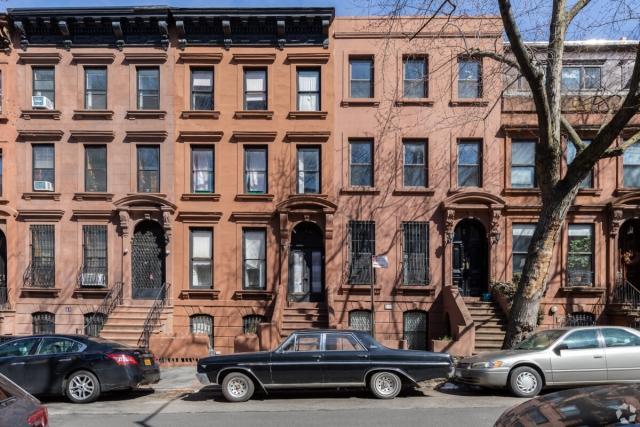
- Historic brownstones
- Cooperative apartments
- Townhouses
- Modern high-rise residences
Manhattan Homes for Sale: A Complete Neighborhood Guide
.jpeg&w=3840&q=75)
Modern Manhattan skyline with luxury residential buildings overlooking Central Park.
Introduction
.jpeg&w=3840&q=75)
Manhattan is one of the world's most recognized real estate markets, offering iconic neighborhoods, luxury residences, historic buildings, and convenient access to business, entertainment, shopping, and cultural attractions.
Whether you're searching for a luxury condominium overlooking Central Park, a historic brownstone on the Upper West Side, or a modern apartment in Midtown, Manhattan offers housing options for a variety of lifestyles.
This guide explores Manhattan's housing market, popular neighborhoods, transportation, amenities, and practical buying tips to help you make an informed real estate decision.
Step 1: Why Buy a Home in Manhattan?

Manhattan continues to attract buyers from around the world because of its unmatched combination of convenience, culture, employment opportunities, and world-famous neighborhoods. Living in Manhattan provides easy access to financial districts, renowned restaurants, museums, theaters, universities, and major transportation hubs.
The borough offers a broad range of residential properties, including:
Many buyers also view Manhattan real estate as a long-term investment due to its strong global appeal and consistent demand.
- •Luxury condominiums
- •Historic brownstones
- •Cooperative apartments
- •Townhouses
- •Modern high-rise residences
- •Penthouse apartments
⭐ Why Buyers Choose Manhattan
- •Iconic New York lifestyle
- •Excellent public transportation
- •Luxury housing options
- •World-class dining and shopping
- •Central business districts
- •Parks and cultural attractions
- •Strong long-term investment potential
Step 2: Popular Neighborhoods in Manhattan
Every Manhattan neighborhood offers its own unique atmosphere and housing opportunities.
Upper East Side
Known for elegant residential streets, museums, luxury apartments, and proximity to Central Park.
Upper West Side
Popular among families for its tree-lined streets, historic buildings, cultural institutions, and neighborhood charm.
Midtown
Ideal for professionals seeking convenient access to offices, shopping, restaurants, and entertainment.
Chelsea
Offers modern condominiums, art galleries, restaurants, and access to the High Line.
Financial District
Features luxury residential towers, waterfront views, and convenient access to New York's financial center.
Step 3: Home Prices and Market Trends in Manhattan
Manhattan is home to one of the most dynamic real estate markets in the world. The borough offers a diverse selection of properties, from historic pre-war buildings and brownstones to luxury condominiums, modern high-rise residences, and waterfront developments.
Home prices vary significantly depending on the neighborhood, property size, building amenities, views, and proximity to major attractions and transportation. Areas near Central Park, the Hudson River, and major business districts often experience strong buyer demand.
While some neighborhoods are known for luxury residences, others offer a wider mix of housing options for professionals, families, and investors. Comparing similar properties, reviewing recent sales, and understanding neighborhood trends can help buyers make informed decisions.
For many purchasers, Manhattan real estate is not only a place to live but also a long-term investment supported by strong global demand and limited housing inventory.
💡 Home Buying Tip
Evaluate the property's long-term value by considering neighborhood development, building condition, monthly ownership costs, and nearby amenities—not just the listing price.
Step 4: Schools, Parks, and Transportation
One of Manhattan's greatest advantages is its accessibility. Residents benefit from an extensive transportation network, making it easy to travel throughout New York City using subways, buses, commuter rail services, ferries, and major roadways.
In addition to transportation, Manhattan offers access to renowned educational institutions, public libraries, healthcare facilities, shopping districts, and cultural landmarks.
The borough is also home to many green spaces, including neighborhood parks, waterfront promenades, playgrounds, and recreational areas that provide a balance between city living and outdoor activities.
When selecting a neighborhood, buyers should consider commute times, nearby services, community amenities, and the lifestyle each area offers.
⭐ Why People Love Living in Manhattan
- •Extensive public transportation
- •World-class dining and entertainment
- •Iconic parks and public spaces
- •Cultural attractions and museums
- •Luxury shopping districts
- •Diverse residential neighborhoods
- •Convenient access to business centers
Step 5: Tips for Buying a Home in Manhattan
Purchasing a home in Manhattan requires careful planning and research. Understanding your budget, preferred neighborhoods, and long-term goals will help you make a confident buying decision.
If you're financing your purchase, begin by obtaining mortgage pre-approval. This provides a clear understanding of your budget and demonstrates to sellers that you're prepared to move forward.
Explore multiple neighborhoods before making a decision. Each area offers a different mix of housing styles, amenities, and community atmosphere. Visiting properties at different times of the day can help you better understand daily life in each neighborhood.
Before submitting an offer, schedule a professional home inspection whenever applicable and carefully review building rules, maintenance fees, or homeowners association requirements.
Working with an experienced real estate agent who understands the Manhattan market can also help you compare properties, negotiate effectively, and navigate the buying process with greater confidence.
✅ Manhattan Home Buyer's Checklist
Before purchasing a home:
- •Establish your home-buying budget
- •Obtain mortgage pre-approval
- •Compare several Manhattan neighborhoods
- •Visit multiple properties
- •Review building fees and ownership costs
- •Schedule a professional inspection
- •Research comparable home sales
- •Work with an experienced real estate agent
Step 6: Common Mistakes to Avoid When Buying a Home in Manhattan
Buying a home in Manhattan can be exciting, but careful planning is essential. Understanding common mistakes can help you avoid unexpected costs and make a more confident investment.
Buying Based Only on Location
While Manhattan's neighborhoods are highly desirable, don't choose a property based only on its address. Consider the building's condition, amenities, monthly ownership costs, transportation, and how well the property fits your long-term lifestyle.
Not Understanding Building Fees
Many Manhattan properties include monthly maintenance fees or homeowners association (HOA) charges. Review these costs carefully and understand what services or amenities they cover before making an offer.
Skipping Mortgage Pre-Approval
If you're financing your purchase, mortgage pre-approval helps establish your budget and demonstrates to sellers that you're prepared to complete the transaction.
Overlooking Property Inspections
Even luxury homes and newer buildings can have maintenance concerns. A professional inspection can identify issues that may affect future repair costs or negotiations.
Making an Emotional Purchase
It's easy to become attached to a beautiful property, but comparing multiple homes and reviewing market data can help you make a balanced, informed decision.
Frequently Asked Questions
Is Manhattan a good place to buy a home?
Manhattan offers a unique combination of world-class amenities, strong transportation, diverse neighborhoods, and long-term real estate demand, making it an attractive option for many homebuyers.
What types of homes are available in Manhattan?
Homebuyers can choose from luxury condominiums, co-op apartments, historic brownstones, townhouses, penthouses, and modern high-rise residences.
Should I work with a real estate agent?
Yes. An experienced real estate agent can help you compare neighborhoods, negotiate offers, understand market trends, and guide you through every stage of the home-buying process.
What should I consider before making an offer?
Evaluate the property's location, building condition, monthly ownership costs, comparable home sales, financing options, and inspection results before submitting an offer.
Which Manhattan neighborhood is right for me?
The ideal neighborhood depends on your lifestyle, budget, commute, and housing preferences. Exploring several neighborhoods can help you determine which area best fits your needs.
Ready to Find Property in New York?
Browse the latest listings, explore top neighborhoods, and connect with experienced real estate professionals to guide you.