Sell My House Fast in New York
Sell My House Fast in New York | Expert Home Selling Guide
Essential Guide Takeaways
- ✅ Declutter every room
- ✅ Deep clean the property
- ✅ Complete minor repairs
- ✅ Improve curb appeal
- ✅ Organize storage spaces
Sell My House Fast in New York
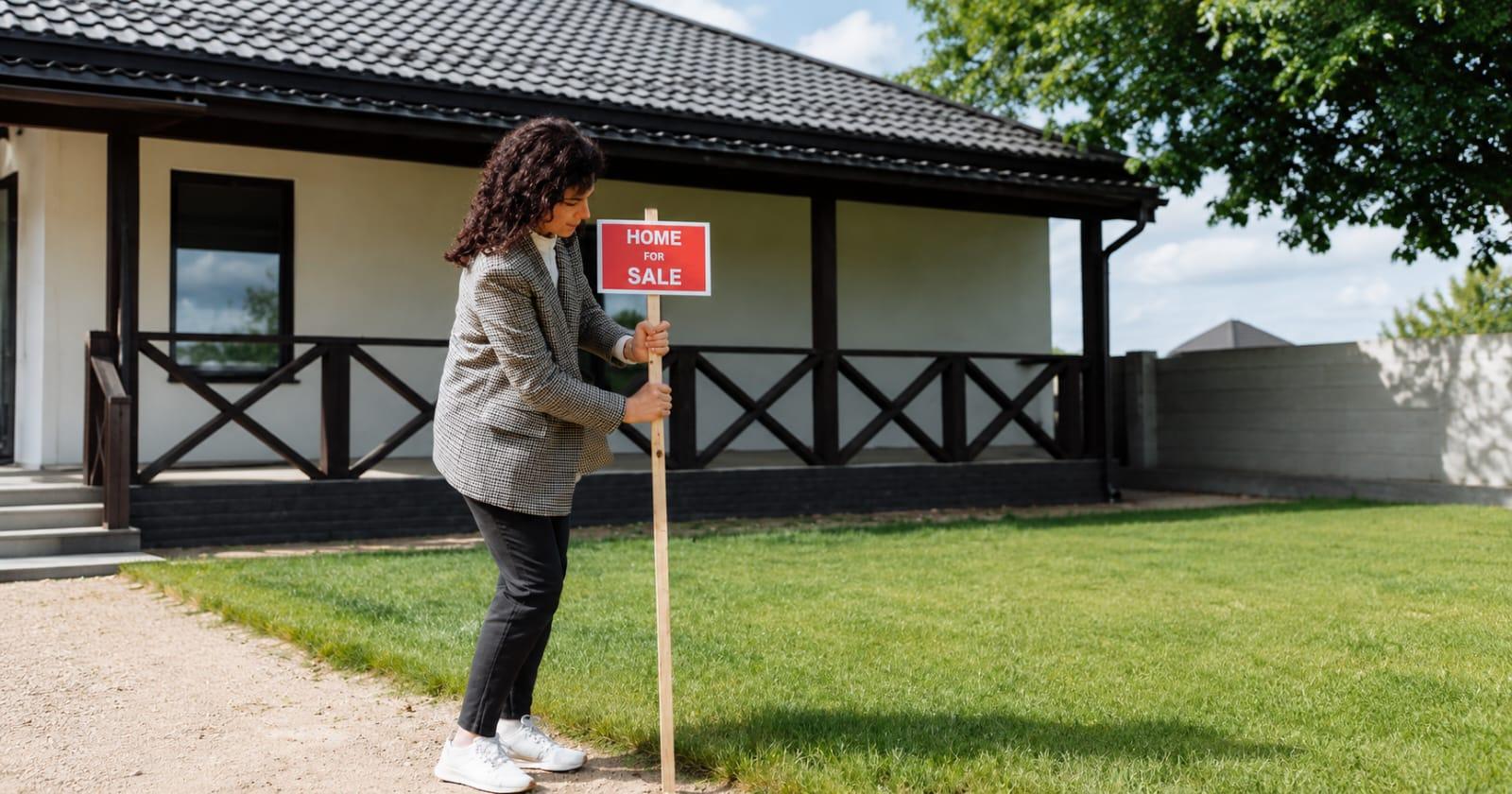
A homeowner placing a For Sale sign in front of a well-maintained house while speaking with a real estate agent.
Introduction
Selling a home can be both exciting and challenging. Whether you're relocating, downsizing, upgrading to a larger property, or simply looking for a fresh start, most homeowners share one goal—selling quickly while getting the best possible price.
The New York real estate market is highly competitive, and attracting the right buyers requires more than simply listing your property online. A successful sale depends on proper pricing, preparing your home for showings, using professional marketing, and understanding what today's buyers are looking for.
In this guide, we'll walk you through the key steps to help you sell your house faster, avoid common mistakes, and make informed decisions throughout the selling process.
Step 1: Understand the Current New York Housing Market

Before listing your home, it's important to understand the current market conditions. Knowing whether you're selling in a buyer's market or a seller's market can help you make informed decisions about pricing, negotiations, and marketing strategies.
Start by researching recently sold homes in your neighborhood. Compare properties that are similar in size, condition, age, and location. This will give you a realistic understanding of your home's market value and help you avoid setting an unrealistic asking price.
Pay attention to local trends such as the average number of days homes stay on the market, current buyer demand, and inventory levels. If homes are selling quickly with multiple offers, you may have more flexibility in pricing. If inventory is high and demand is lower, competitive pricing becomes even more important.
Understanding the market before listing your property gives you a stronger position when developing your selling strategy and helps you make decisions based on data rather than emotion.
Step 2: Price Your Home Correctly
.jpeg&w=3840&q=75)
Pricing your home is one of the most important decisions you'll make during the selling process. While it may be tempting to set a higher asking price in hopes of negotiating later, overpricing can discourage buyers and cause your property to remain on the market longer than expected.
A well-priced home attracts more interest, generates additional showings, and may even receive multiple offers in a competitive market. Buyers often compare several properties before making a decision, so your asking price should reflect the home's condition, location, features, and recent comparable sales.
If you're unsure about pricing, consider working with an experienced real estate professional who understands your local market. They can perform a comparative market analysis (CMA) to help determine a competitive listing price based on current market conditions.
Remember, the goal isn't simply to list your home—it's to sell it efficiently while maximizing its value.
Step 3: Prepare Your Home for Sale

First impressions matter. Before listing your property, take the time to prepare it for potential buyers. A clean, well-maintained, and welcoming home is more likely to attract interest and leave a positive impression during showings.
Start by decluttering each room and removing personal items such as family photos, collections, and unnecessary furniture. This helps buyers imagine themselves living in the space rather than feeling like they're visiting someone else's home.
Next, complete any minor repairs that could discourage buyers. Fix leaking faucets, replace burnt-out light bulbs, repair cracked walls, tighten loose door handles, and touch up chipped paint. Small improvements can make a significant difference in how buyers perceive your home's condition.
Don't overlook curb appeal. The exterior is the first thing buyers see, so keep the lawn trimmed, clean the driveway, wash windows, and ensure the entrance looks inviting. A fresh coat of paint on the front door or a few potted plants can make your property feel more welcoming.
Finally, consider home staging. Arranging furniture to maximize space, adding neutral décor, and improving lighting can help buyers visualize the home's potential and may even increase perceived value.
📋 Seller Preparation Checklist
.jpeg&w=3840&q=75)
Before listing your home, make sure you've completed the following:
- •✅ Declutter every room
- •✅ Deep clean the property
- •✅ Complete minor repairs
- •✅ Improve curb appeal
- •✅ Organize storage spaces
- •✅ Remove personal photographs
- •✅ Maximize natural light
- •✅ Stage key living areas
💡 Seller Tip
.jpeg&w=3840&q=75)
Buyers often decide how they feel about a home within the first few minutes of entering. A clean and well-presented property can make a lasting impression.
Step 4: Invest in Professional Photography
Most buyers begin their home search online, making your property's photos one of the most important marketing tools. High-quality images can significantly increase interest, encourage more property viewings, and help your listing stand out in a competitive market.
Professional photographers understand how to highlight your home's best features using proper lighting, angles, and composition. They can make rooms appear brighter, more spacious, and more inviting without misleading buyers.
If your budget allows, consider including additional visual content such as drone photography, virtual tours, or video walkthroughs. These features give buyers a better understanding of the property's layout and can attract more qualified inquiries.
Remember that poor-quality photos may cause buyers to scroll past your listing, regardless of how attractive the property actually is.
💡 Seller Tip
Schedule your photo session during daylight hours when your home receives the most natural light.
Step 5: Market Your Property Effectively
Listing your home is only the beginning. Reaching the right buyers requires a well-planned marketing strategy that combines online visibility, professional presentation, and local market knowledge.
Your property should be featured on trusted real estate platforms with a detailed description, high-quality images, and accurate information about its features. A strong listing highlights what makes the home unique while providing buyers with the details they need to make informed decisions.
Social media can also play an important role in generating interest. Sharing your listing through platforms such as Facebook, Instagram, and LinkedIn helps expand its reach and attract potential buyers who may not be actively browsing property websites.
Open houses and private showings provide buyers with the opportunity to experience the property in person. Make sure the home is clean, well-lit, and ready for visitors before every showing. Creating a welcoming atmosphere can leave a lasting impression and encourage stronger offers.
An experienced real estate agent can coordinate marketing efforts, schedule showings, communicate with interested buyers, and help you maximize your property's exposure.
Step 6: Review and Negotiate Offers
Receiving an offer is an exciting milestone, but the highest offer isn't always the best one. Before accepting, take time to carefully review every aspect of the proposal, including the purchase price, financing method, contingencies, and requested closing timeline.
For example, a cash offer may close faster than an offer that depends on mortgage approval. Likewise, a buyer who has already secured mortgage pre-approval may present a lower risk than one who still needs financing.
Pay close attention to contingencies included in the offer. Common contingencies involve financing approval, home inspections, and appraisals. While these conditions are standard, they can affect the timing and certainty of the sale.
Negotiation is a normal part of selling a home. Rather than immediately accepting or rejecting an offer, consider working with your real estate agent to negotiate terms that benefit both parties. Small adjustments to the purchase price, closing date, or included appliances may help move the transaction forward.
The goal is to achieve an agreement that balances speed, value, and security while minimizing unnecessary delays.
💡 Seller Tip
Don't focus only on the selling price. Consider the buyer's financing, contingencies, flexibility, and likelihood of completing the transaction successfully.
Step 7: Complete the Closing Process
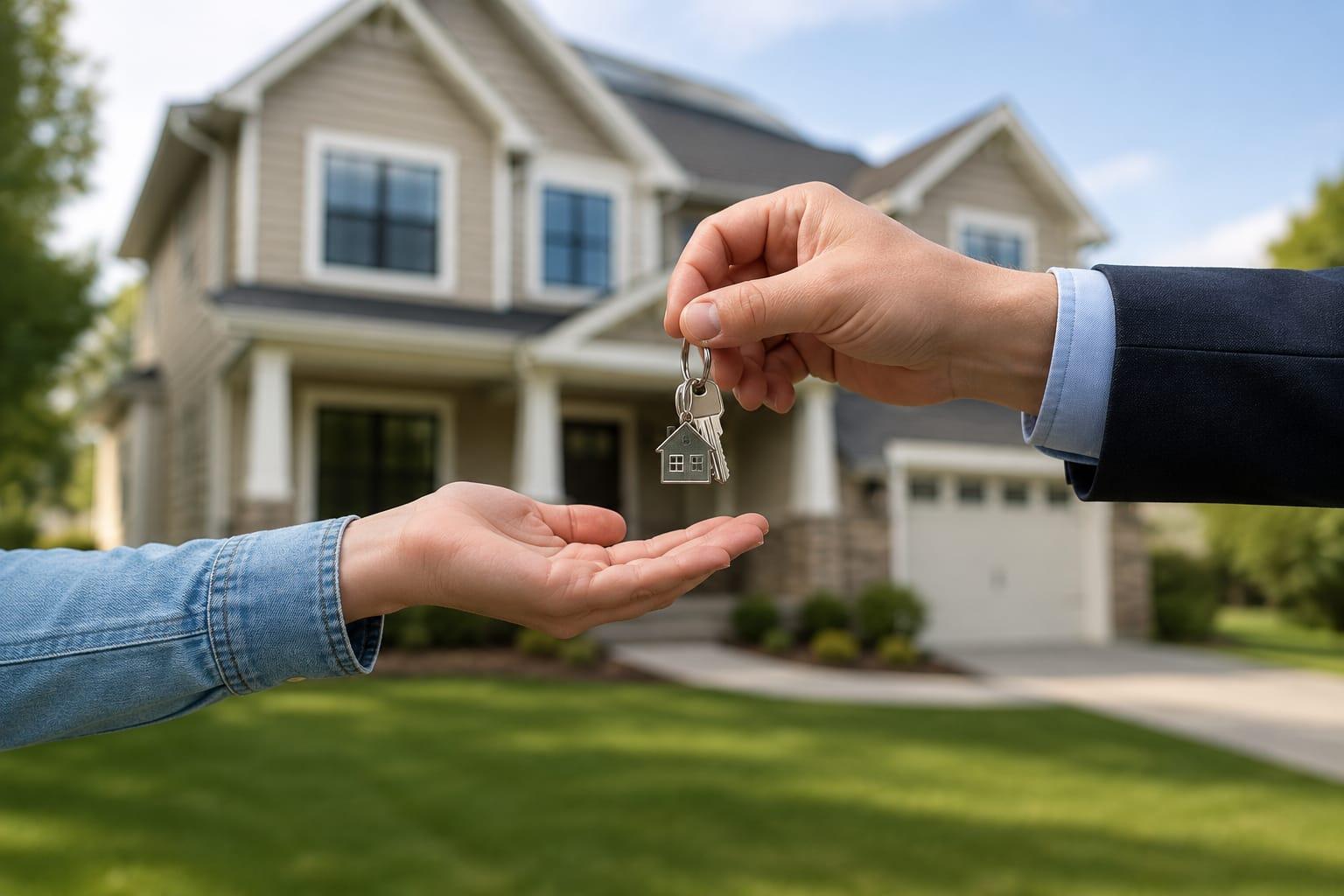
Once you've accepted an offer, the final step is completing the closing process. During this stage, legal documents are finalized, any remaining conditions are satisfied, and ownership of the property is transferred to the buyer.
Before closing day, you'll review important documents, confirm the final sale amount, and prepare for the transfer of ownership. Depending on the transaction, you may also need to address inspection-related repairs or provide requested documentation.
A final walkthrough is usually completed shortly before closing to confirm that the property is in the agreed-upon condition. Once all paperwork has been signed and funds have been transferred, the sale is officially complete.
Although the closing process involves several steps, working with experienced professionals helps ensure everything is handled efficiently and accurately.
Congratulations—you've successfully sold your home.
📋 Closing Day Checklist
Before closing, make sure you've completed these tasks:
- •Review all closing documents
- •Complete agreed repairs (if required)
- •Prepare house keys and garage remotes
- •Cancel or transfer utilities
- •Remove all personal belongings
- •Complete the final walkthrough
- •Keep copies of important documents
Common Mistakes Home Sellers Should Avoid
Selling a home can be a complex process, and even small mistakes may affect how quickly your property sells or the final sale price.
Overpricing the Property
Setting an unrealistic asking price can reduce buyer interest and cause your home to remain on the market longer. Buyers often compare similar listings before scheduling a viewing.
Ignoring Minor Repairs
Small issues such as chipped paint, leaking faucets, broken light fixtures, or damaged flooring may give buyers the impression that the property hasn't been well maintained.
Using Poor-Quality Photos
Online listings are often the first impression buyers have of your home. Professional photography can significantly improve the attractiveness of your listing.
Being Inflexible With Showings
Making your home difficult to view may reduce the number of interested buyers. Whenever possible, accommodate reasonable showing requests.
Letting Emotions Control Negotiations
It's natural to feel emotionally attached to your home, but successful negotiations require objective decision-making based on market conditions and buyer interest.
Frequently Asked Questions
How long does it take to sell a house in New York?
The timeline varies depending on location, pricing, market conditions, and buyer demand. Well-priced homes in desirable neighborhoods often sell more quickly than overpriced properties.
Should I renovate before selling?
Major renovations aren't always necessary. Focus on repairs, cleaning, decluttering, and improvements that enhance your home's appearance without exceeding your budget.
Can I sell my home without a real estate agent?
Yes, it's possible. However, many sellers choose to work with an experienced agent for pricing guidance, marketing, negotiations, paperwork, and legal support.
How do I determine my home's value?
Your home's value depends on its location, condition, size, features, and recent sales of comparable properties in your area. A Comparative Market Analysis (CMA) prepared by a real estate professional can provide a more accurate estimate.
What costs do sellers usually pay?
Seller expenses may include agent commissions, attorney fees (where applicable), transfer taxes, outstanding property taxes, and any agreed-upon repairs or concessions. The exact costs vary depending on the transaction.
Ready to Find Property in New York?
Browse the latest listings, explore top neighborhoods, and connect with experienced real estate professionals to guide you.